
How TPE Resets Immunity, Detoxifies Plasma, and Supports Regeneration
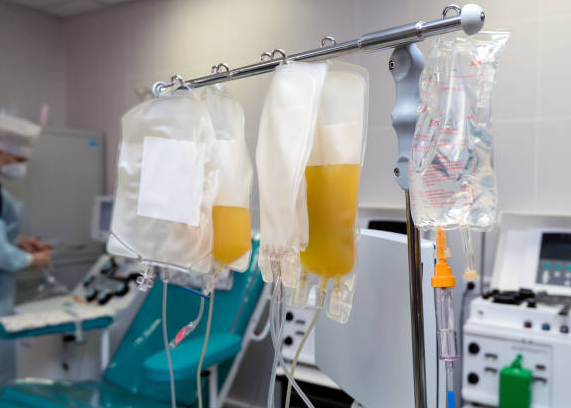
Therapeutic Plasma Exchange (TPE), also known as plasmapheresis, is a medical procedure that removes and replaces a patient’s plasma—the fluid portion of blood that carries immune proteins, toxins, and inflammatory molecules. Originally developed for autoimmune and hematologic conditions, TPE is now gaining recognition as a regenerative therapy capable of reversing biological age, improving cognition, and restoring immune balance.
Recent clinical reports from Circulate and MD Lifespan show that TPE, when combined with NAD+, peptides, and stem cell support, may offer measurable improvements in telomere length, mitochondrial function, and cognitive performance. This article outlines 12 key benefits of TPE, supported by clinical data and emerging longevity research.
1. Removal of Pathogenic Autoantibodies
Autoantibodies are immune proteins that mistakenly target healthy tissues. In autoimmune diseases like lupus, myasthenia gravis, and Guillain-Barré syndrome, these antibodies drive inflammation and tissue damage. TPE physically removes these molecules from circulation, reducing their concentration and halting disease progression.
- In Guillain-Barré syndrome, TPE has been shown to accelerate motor recovery and reduce the need for mechanical ventilation.
- In lupus nephritis, TPE helps reduce renal inflammation and preserve kidney function.
- Circulate’s case report documented a reduction in autoimmune markers following a series of TPE sessions.
2. Reduction of Pro-inflammatory Cytokines
Cytokines such as IL-6, TNF-α, and interferons play a central role in systemic inflammation. Elevated cytokine levels are associated with autoimmune disease, neurodegeneration, and post-viral syndromes. TPE reduces circulating cytokines, helping restore immune balance and reduce inflammatory signaling.
- MD Lifespan reports consistent reductions in systemic inflammation following TPE, with patients experiencing improved energy, mood, and resilience.
- This cytokine-lowering effect is especially relevant in post-COVID recovery and chronic fatigue syndromes.
3. Clearance of Circulating Immune Complexes
Immune complexes form when antibodies bind to antigens and circulate in the bloodstream. These complexes can deposit in tissues, activate complement pathways, and trigger inflammation. TPE removes these complexes, reducing tissue damage and improving outcomes in diseases such as systemic lupus erythematosus and vasculitis.
- By clearing immune complexes, TPE helps prevent secondary organ involvement and reduces the risk of long-term complications.
4. Modulation of Complement Activation
The complement system is part of innate immunity and can amplify inflammation. In diseases like neuromyelitis optica and anti-glomerular basement membrane (anti-GBM) disease, complement activation contributes to pathology. TPE reduces complement components such as C3 and C5, helping to modulate immune responses and prevent further tissue injury.
- This mechanism supports both acute flare management and long-term immune regulation.
5. Improvement in Neurological Recovery
TPE has demonstrated significant benefits in neurological conditions, particularly those with autoimmune or inflammatory components.
- In multiple sclerosis, TPE is effective for steroid-refractory relapses, especially when gadolinium-enhancing lesions are present.
- In autoimmune encephalitis, TPE helps reduce neuroinflammation and improve cognitive function.
- Circulate’s case report showed measurable improvements in memory, attention, and verbal fluency following TPE combined with NAD+ and stem cell therapy.
6. Detoxification of Plasma-Bound Toxins
Plasma serves as a carrier for various toxins, including heavy metals, metabolic waste, and environmental pollutants. TPE removes these plasma-bound substances, supporting liver and kidney function and reducing oxidative stress.
- MD Lifespan’s PlasmaXchange protocol demonstrated up to 100% reduction in heavy metal burden and significant improvements in inflammatory biomarkers.
- This detoxification benefit is particularly relevant in patients with chronic illness, chemical sensitivity, or post-exposure syndromes.
7. Restoration of Youthful Plasma Profiles
As we age, plasma composition shifts toward a pro-inflammatory, pro-senescent state. TPE helps restore youthful plasma profiles by removing senescence-associated secretory factors (SASP), inflammatory cytokines, and extracellular vesicles that impair tissue regeneration.
- Circulate’s multi-omics data showed improved proteomic and transcriptomic profiles after TPE, consistent with biological age reversal.
- Albumin levels increased, and inflammatory markers decreased, creating a more regenerative internal environment.
8. Enhancement of Mitochondrial Function
Mitochondria are the energy-producing organelles within cells, and their function declines with age and inflammation. By reducing oxidative stress and inflammatory signaling, TPE supports mitochondrial repair and energy production.
- This benefit is amplified when TPE is combined with NAD+ therapy, which replenishes mitochondrial cofactors and enhances cellular resilience.
- Patients often report improved stamina, mental clarity, and metabolic balance.
9. Support for Stem Cell and Tissue Repair
TPE may enhance the body’s ability to repair tissues by improving the signaling environment for stem cells. By removing inhibitory molecules and inflammatory mediators, TPE creates a more favorable milieu for regeneration.
- Circulate’s case report included adjunctive use of umbilical cord-derived stem cells and exosomes, with TPE enhancing their efficacy.
- Patients experienced improved wound healing, joint recovery, and skin rejuvenation.
10. Reduction of Biological Age and Immune Burden
Biological age reflects the functional state of cells and tissues, often diverging from chronological age. TPE contributes to biological age reversal by reducing immune burden, clearing senescent signals, and restoring plasma homeostasis.
- MD Lifespan reports that TPE may reduce epigenetic age and improve telomere length when combined with regenerative therapies.
- Circulate’s patient case showed a measurable reduction in biological age markers and improved immune regulation.
11. Cognitive and Emotional Benefits
Patients undergoing TPE frequently report improvements in mental clarity, emotional stability, and sleep quality. These benefits may result from reduced neuroinflammation, improved mitochondrial function, and enhanced blood-brain barrier integrity.
- Circulate’s case study documented cognitive gains in a patient with age-related decline, including improved memory scores and reduced brain fog.
- Emotional resilience and sleep quality also improved, supporting the role of TPE in neuroregeneration.
12. Integration with Multi-Modal Therapies
TPE is not a standalone therapy—it integrates seamlessly with other regenerative and detox protocols. At AgeReversalMD, TPE is often combined with:
- IV NAD+ therapy for mitochondrial support
- Peptides for tissue repair and immune modulation
- Hormone optimization for metabolic balance
- Functional lab testing to guide personalized care
This multi-modal approach enhances outcomes and supports long-term recovery, especially in complex or chronic cases.
Safety and Tolerability
TPE is generally well tolerated when performed by experienced clinicians. Common side effects include:
- Mild hypotension
- Hypocalcemia (managed with calcium supplementation)
- Fatigue or lightheadedness
- Catheter-related issues (if central access is used)
At AgeReversalMD, Dr. Phillip Milgram, MD follows strict protocols including pre-procedure labs, electrolyte monitoring, and post-treatment follow-up to ensure safety and efficacy.
Conclusion
Therapeutic Plasma Exchange offers a wide range of benefits—from immune modulation and detoxification to neurological recovery and biological age reversal. Its mechanisms are well understood, its clinical applications are expanding, and its role in regenerative medicine is increasingly recognized.
Whether used for autoimmune disease, cognitive decline, or longevity optimization, TPE provides a powerful tool for restoring health and resilience. At AgeReversalMD, Dr. Phillip Milgram, MD delivers San Diego therapeutic plasma exchange therapy with precision, safety, and personalized care—helping patients move beyond symptom management and into cellular restoration.
References
- Lee, E., & Burns, M. (2023). Improving biological age, telomere length, and cognition: A case report on the use of therapeutic plasma exchange, peptides, umbilical cord tissue mesenchymal stem cells and exosomes in a patient with cognitive decline. Circulate White Paper.
- MD Lifespan. (2025). The next frontier in vitality: Why therapeutic plasma exchange may be essential for survival. MD Lifespan Blog.
- MD Lifespan. (2025). PlasmaXchange protocol vs. TPE vs. EBOO – The difference? MD Lifespan Blog.
- MD Lifespan. (2024). What is therapeutic plasma exchange (TPE)? MD Lifespan Blog.
- MD Lifespan. (2022). Therapeutic plasma exchange vs. plasma donation. MD Lifespan Blog.
- Schwartz, J., Padmanabhan, A., Aqui, N., et al. (2016). Guidelines on the use of therapeutic apheresis in clinical practice. Journal of Clinical Apheresis, 31(3), 149–162.
- Raphaël, J. C., Chevret, S., Hughes, R. A., & Annane, D. (2002). Plasma exchange for Guillain-Barré syndrome. Cochrane Database of Systematic Reviews, (2), CD001798.
- Rony, R. M. I. K., Shokrani, A., Malhi, N. K., et